
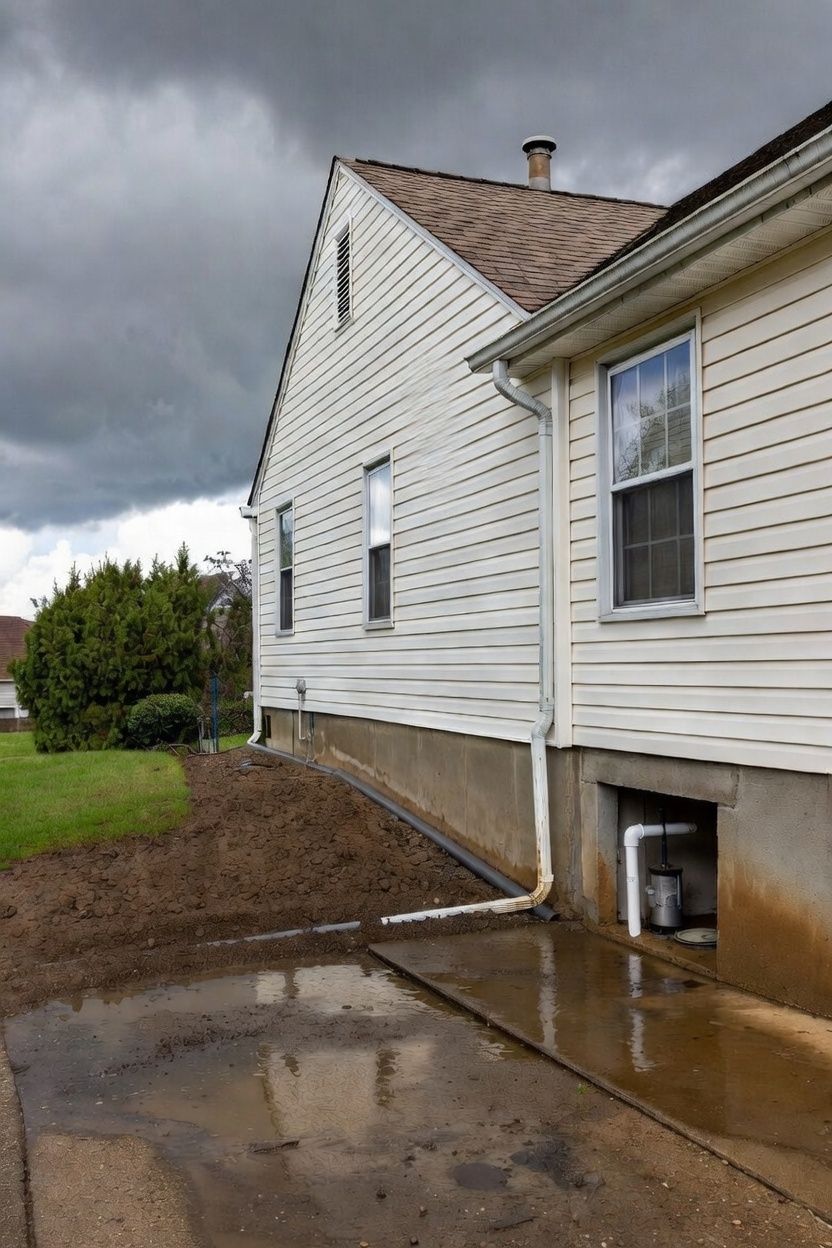
Basement flooding during the rainy season can cause significant damage, including structural issues, mold growth, ruined belongings, and costly repairs. Heavy rainfall overwhelms drainage systems, leading to water intrusion through foundations, floors, or backups. Fortunately, most cases are preventable with proactive maintenance, smart landscaping, and targeted upgrades.
This guide covers the common causes of basement flooding, practical prevention steps (from low-cost DIY fixes to professional solutions), and long-term strategies to keep your basement dry even during intense downpours.
Common Causes of Basement Flooding in Rainy Seasons
Understanding why water enters your basement helps target prevention effectively. The main culprits include:
- Poor exterior drainage — Water pools around the foundation due to improper yard grading (sloping toward the house instead of away), clogged gutters/downspouts, or missing extensions that dump roof water too close to the walls.
- Foundation cracks and seepage — Hairline cracks in walls or floors allow surface water or groundwater (under hydrostatic pressure) to seep in, especially when the water table rises during prolonged rain.
- Sump pump failure — If your basement relies on a sump pump and it fails (due to power outages, clogs, or wear), water accumulates quickly.
- Sewer or storm backups — Overwhelmed municipal systems cause backups through floor drains or toilets.
- Window wells and other entry points — Uncovered or poorly sealed basement windows collect rainwater.
- High groundwater or saturated soil — In areas with clay soil or poor percolation, water builds up around the foundation.
Addressing these root causes reduces risk dramatically.
Essential Prevention Steps: Start with Low-Cost Maintenance
Many effective measures require minimal investment and can be done yourself before the rainy season peaks.
- Maintain Gutters and Downspouts Clean gutters at least twice a year (spring and fall) to remove leaves, debris, and nests. Install gutter guards for ongoing protection. Extend downspouts at least 5–10 feet away from the foundation using splash blocks or buried extensions to direct water to the yard or storm drains.
- Improve Yard Grading and Landscaping Ensure the ground slopes away from your home at about 1 inch per foot for the first 6–10 feet. Regrade low spots where water pools. Add soil or create gentle swales to channel runoff. Avoid planting trees or shrubs too close to the foundation, as roots can crack pipes or walls.
- Seal Visible Cracks and Gaps Inspect basement walls, floors, and window wells for cracks. Use hydraulic cement or polyurethane sealants for small cracks (interior fixes provide temporary relief). For window wells, install clear plastic covers to prevent direct rainwater entry.
- Clear Exterior Drains and Catch Basins Keep nearby street catch basins free of debris. Ensure foundation drains (weeping tiles) aren’t blocked.
- Reduce Interior Water Use During Storms Limit laundry, dishwashing, and showers during heavy rain to avoid overloading plumbing systems, especially in combined sewer areas.
Advanced Protection: Invest in Reliable Systems
For homes with recurring issues or in high-risk areas (heavy monsoon-like rains), consider these upgrades.
- Install or Upgrade a Sump Pump A primary electric sump pump in a pit collects and ejects groundwater. Test it regularly by adding water to the pit. For reliability during power outages (common in storms), add a battery backup sump pump (lasts hours to days) or a water-powered backup. Pair with a portable generator for extended outages if needed.
- Add a Backwater Valve This one-way valve on your sewer line prevents backups from overwhelming municipal systems. It’s often required or subsidized in flood-prone cities.
- Interior Drainage Systems (e.g., French Drain or Perimeter Drain) Install a perforated pipe along the basement perimeter (interior side) to collect water and direct it to the sump pump. Cover with gravel and a vapor barrier. This manages water that enters rather than stopping it entirely.
- Basement Waterproofing Options
- Interior methods — Sealants, coatings (e.g., silicate-based or liquid rubber), dimpled membranes, and dehumidifiers. Cost-effective and less invasive.
- Exterior waterproofing — Excavate around the foundation, apply membranes/coatings, and install exterior drains. Most thorough but expensive and disruptive. Combine interior drainage with encapsulation (full vapor barrier on walls/floor) for optimal results in humid climates.
- Dehumidifier and Ventilation Run a basement dehumidifier to keep humidity below 50–60%, preventing condensation and mold even if minor moisture enters.
Quick Checklist Before Rainy Season
- Clean gutters and extend downspouts
- Regrade yard if pooling occurs
- Test sump pump and backup system
- Seal cracks and cover window wells
- Clear all drains and catch basins
- Stock sandbags or shop vac for emergencies
- Know your flood insurance coverage (standard policies often exclude basement flooding from surface water)
Final Thoughts
Preventing basement flooding requires a layered approach: divert water at the source (roof and yard), seal entry points, and have reliable removal systems (sump pumps with backups). Start with simple maintenance to handle most light-to-moderate rains, then scale up based on your home’s history and local weather patterns.
If you’ve experienced flooding before, consult a professional waterproofing contractor for an inspection—they can identify hidden issues like failing weeping tiles or high groundwater. Acting early saves thousands in cleanup, mold remediation, and repairs.