
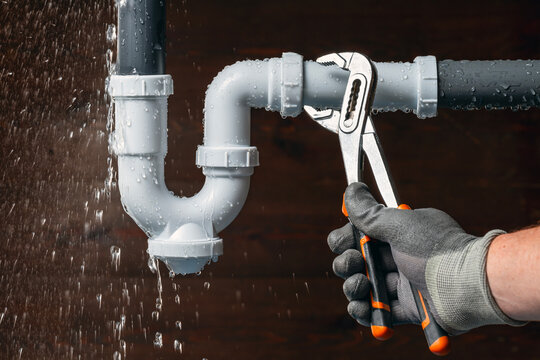
A slow drip can silently lead to mold growth and weakened plumbing and foundations whereas a sudden major leak like burst pipe can result in extensive property damage. The extent of damage depends on the severity and the duration of the leak. Whether small or major, water leaks can significantly impact your property and result in major financial loss if ignored. Understanding the difference between slow vs major leaks is important for homeowners to take preventive measures and make informed decisions. Regular maintenance ensures a safer living environment.
Drips vs. Major Leaks: Which is a More Financial Drain?
Are you noticing musty odors near your indoor plumbing and hearing dripping noise behind walls? Ignoring these signs can lead to mold growth, extensive structural damage and costly repairs. Leaks can also expose you and your family to serious electrical fire risks and create an unhealthy living environment apart from being a financial drain in the form of increased water bills. If you are thinking about searching for plumbing service near me, we have compiled below a guide to help you understand the real cost of ignoring leaks.
| Did you know?10 drips every minute can cause a water waste of 3 to 5 gallons per day whereas fast leaks can waste hundreds of gallons of water every month. |
Here is your guide to understanding the difference between slow vs major leaks and the cost impact of both.
Slow vs. Major Leaks: Which One Causes More Damage?
A slow leak can go unnoticed for months, silently causing damage to your plumbing and home. A major sudden leak like a burst pipe is a different type catastrophe which leads to emergency repairs.
| Slow vs Major Leak Comparison | |
| Causes cracks and weakens structure and foundations over time silently. | A sudden direct water damage that can ruin your property and belongings instantly. |
| Leads to mold growth allergies and poor indoor air quality. | Excessive dampness can expose you to bacterial and fungal infections. |
| Minor leaks require proper addressing like repairs,water proofing home, water proof paints and improved ventilation. | Major leaks require emergency measures to quickly address the primary damage and stop further deterioration. |
| Will result in costly repairs over time if left unaddressed, but can be easily handled timely. | Can be quite expensive to restore property back to its predamaged condition. |
Use high quality water proofing and ensure proper water drainage to prevent any damage to your property and plumbing system.
Breaking Down the Cost Impact of Slow vs. Major Leaks
Do you know that a fast drip can add an extra $20 to $22 to your water bills? Professional repair can cause an extra $150 to $500 in repairs depending on the severity of the damage.
A running toilet wasting water can result in an extra $325 to your water and sewer bill. Professional repair can cost you between $200 to $450.
Hidden leaks can waste around 1000 gallons of water each day even at low pressure and can cost homeowners between $200 to $700 monthly water bills. Repairs can cost between $500 to around $1700 as demolition is involved to fix it.
Similarly, a leaky outdoor valve can result in the wastage of many gallons of valuable water. Reapers can cost homeowners between $150 to $450.
| Fast FactThe Environmental Protection Agency (EPA) celebrates March 16 – 22 every year as the annual Fix a Leak Week to highlight the importance of saving valuable water. |
Conclusion
Understanding the difference between slow vs major leaks is important for homeowners to make preventive measures part of their routine. Regularly checking for leaks can lead to better property conditions and peace of mind. Save valuable water and money all year long by regularly inspecting your home for leaks. Being proactive conserves water, saves the environment and money. Hire professional plumbing service if you suspect any issue to prevent costly repairs and structural damage.
FAQs
What is the best way to know about water leaks at home?
Check your water meter while all taps are turned off. This is the best way to know whether there are leaks at home or not.
What is the most common type of water leak inside home?
Dripping faucets and worn toilet flappers are the most common type of water leaks inside homes.
How deep are the residential water pipes and lines?
Most of the US water lines are around 36 inches deep but it can vary depending on your location.